
Adaptogens have become one of the most popular trends in natural health—and for good reason. These herbs help the body adapt to stress, support resilience, and promote balance across key systems such as the nervous, endocrine, and immune systems.
But here’s the important point: not all adaptogens are the same.
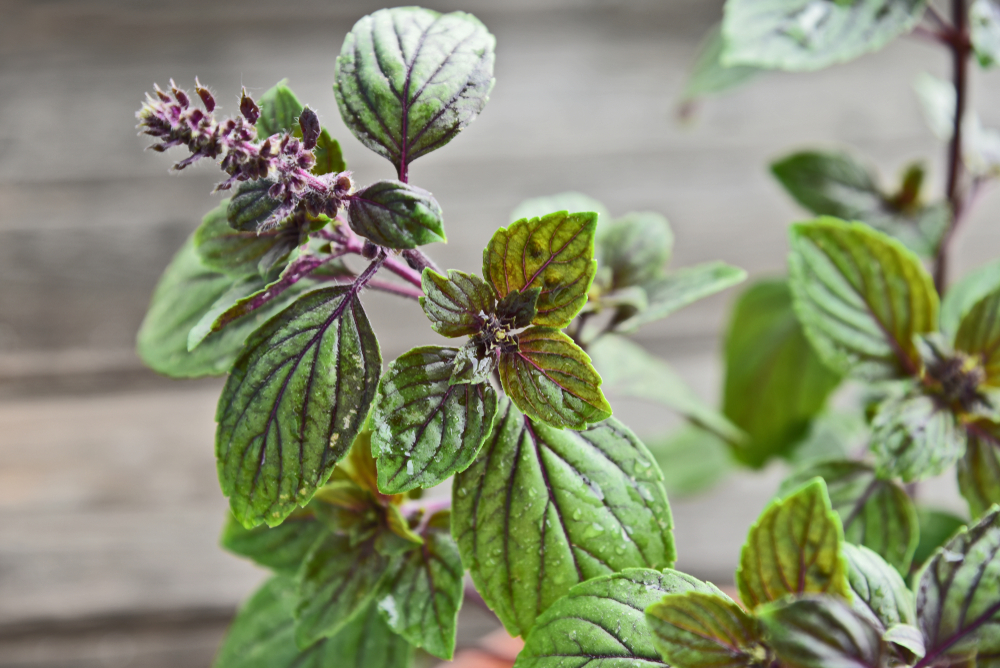
From a herbalist’s perspective, adaptogens vary widely in their actions. Some are more stimulating and activating, such as Rhodiola or Panax ginseng, which can be helpful for fatigue, low motivation, and burnout in more robust individuals. Others are more nourishing and calming, such as Ashwagandha or Holy basil, better suited to those who are depleted, anxious, or sensitive to stimulation.
This distinction is crucial. In clinical practice, we often see individuals self-prescribing adaptogens based on trends, only to feel more wired, anxious, or unsettled. For someone with a weaker or more depleted constitution, stimulating adaptogens can be too much, pushing the system rather than restoring it.
Through a functional medicine lens, adaptogens are not simply “stress herbs”—they interact with complex pathways including cortisol regulation, blood sugar balance, and nervous system tone. Choosing the wrong herb can therefore amplify imbalance rather than correct it.
At Cogmission, where we support cognitive and long-term brain health, adaptogens can play a valuable role—but only when chosen carefully and tailored to the individual.
The takeaway is simple: adaptogens are powerful, but they are not interchangeable. Like all herbal medicine, they work best when personalised—making professional guidance not just helpful, but essential.