
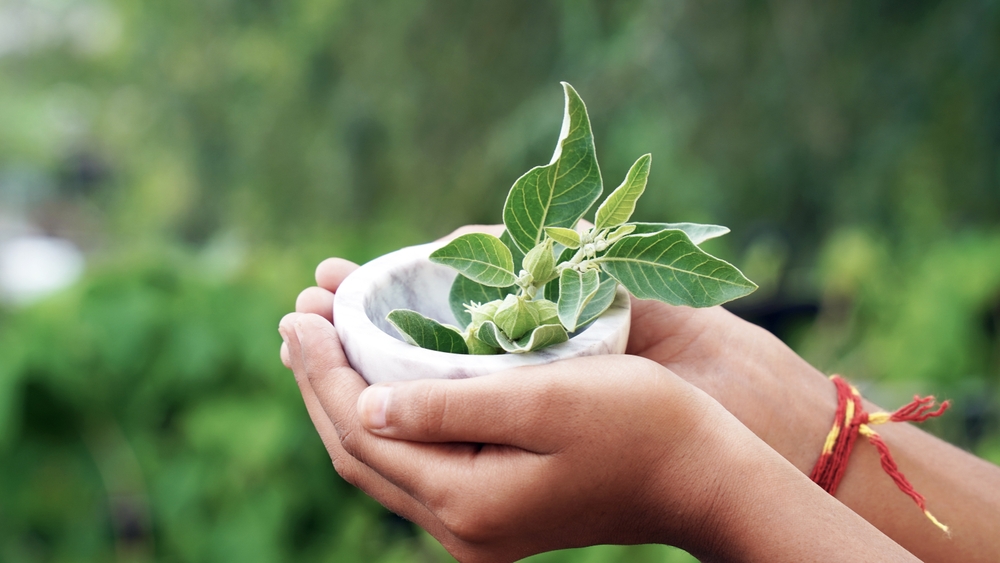
One of the defining features of herbal medicine is the use of polypharmacy—combining multiple herbs within a single formula. While this can seem complex from the outside, it is in fact a deeply traditional and highly effective way of working, rooted in centuries of clinical practice.
Rather than relying on a single active compound, herbalists use synergy between plants to create a broader, more balanced therapeutic effect. Each herb within a formula has a role: some address the root cause, others support key systems such as digestion or circulation, and others help guide or enhance the action of the whole blend.
From a functional medicine perspective, this makes perfect sense. Health conditions—particularly those related to cognitive decline—are rarely driven by one pathway alone. Inflammation, blood sugar imbalance, stress, vascular health, and gut function are often all involved.
A well-crafted herbal formula can gently support multiple systems at once.
In practice, this is especially valuable within Cogmission. Many of our patients benefit from a simplified, supportive approach, and polypharmacy allows us to deliver this. Rather than taking numerous separate supplements, a single bottle of a thoughtfully designed herbal tincture can address several therapeutic goals simultaneously.
This approach also tends to be gentler and better tolerated. The combination of herbs can buffer potential side effects and create a more harmonious response in the body.
Ultimately, polypharmacy reflects the essence of herbal medicine: working with complexity, not against it—and offering a powerful, holistic form of care that meets patients where they are.